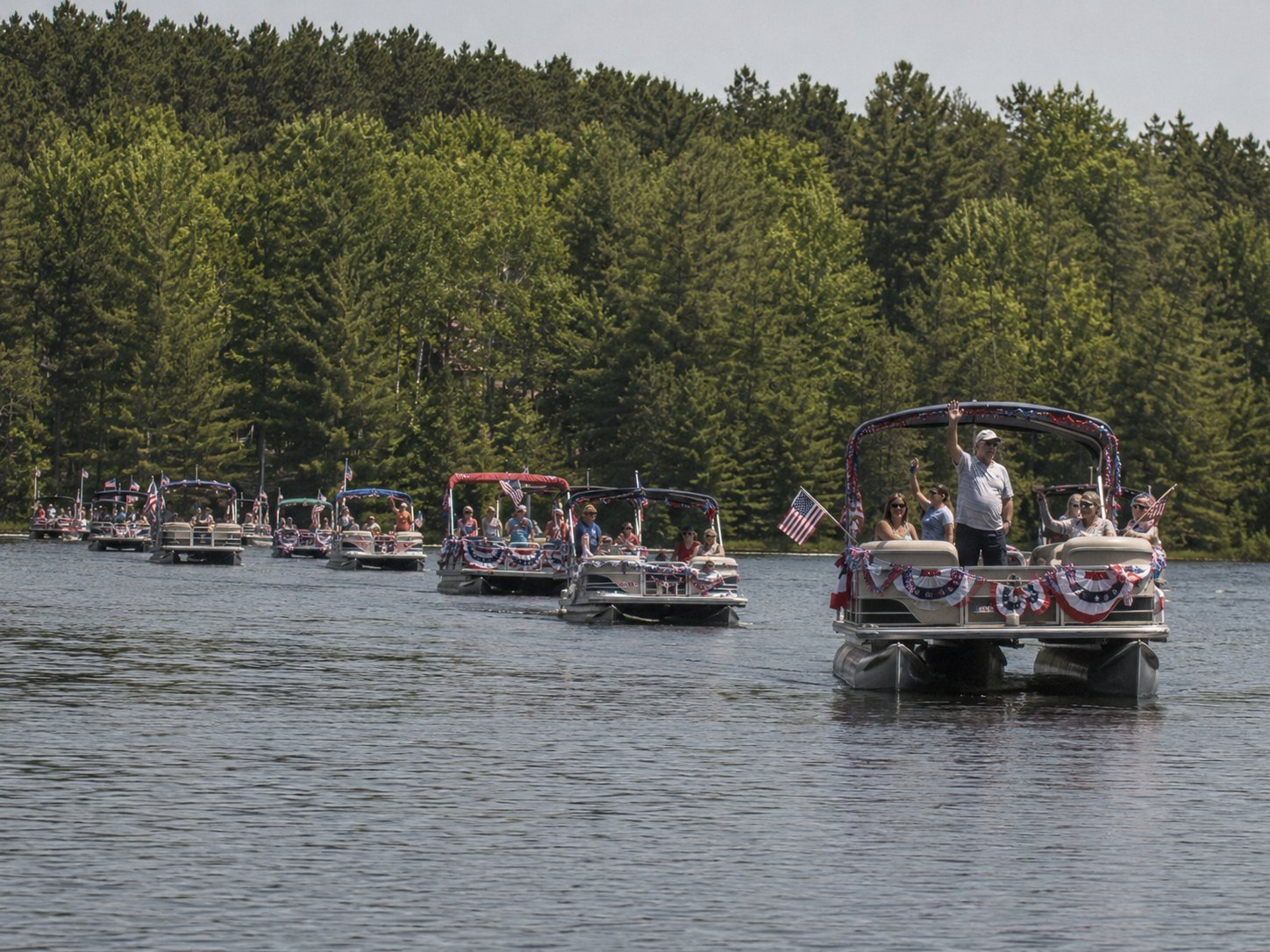
For decades the Fourth’s flotilla was a spontaneous thing you joined when you felt like it and left when your cooler ran dry. Saturday it had a route, a start time, and a grand marshal. The lake endured.
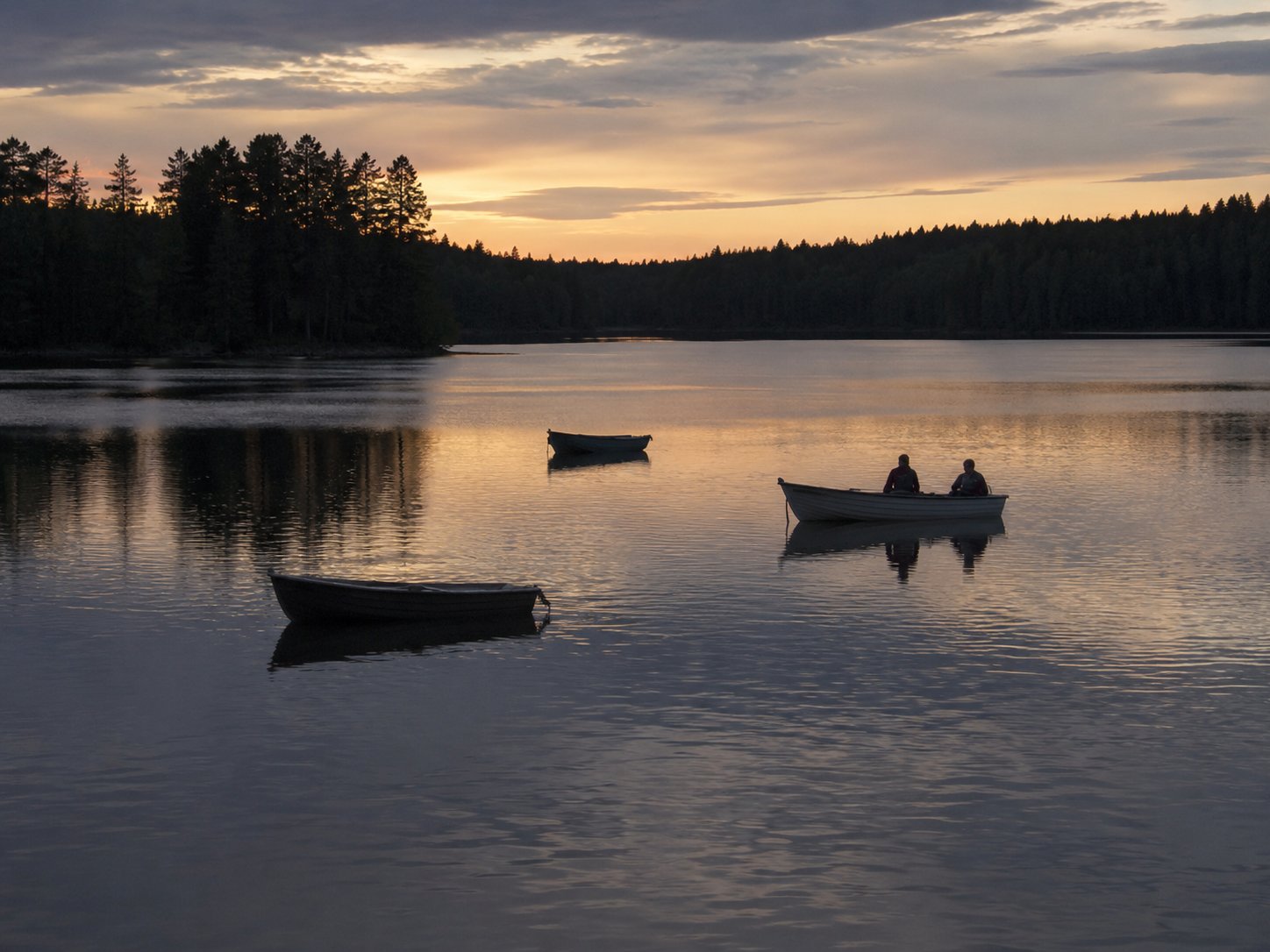
For as long as anyone can document, the Fourth of July on Big Pelican has ended with boats — pontoons, fishing rigs, the occasional defiant canoe — drifting out from the landings at dusk in a loose, leaderless procession that formed when people felt like forming it and dissolved when their coolers ran dry. On Saturday, for the first time, that procession had a name, a route, a start time, and a grand marshal, and the town is still deciding how it feels about that.
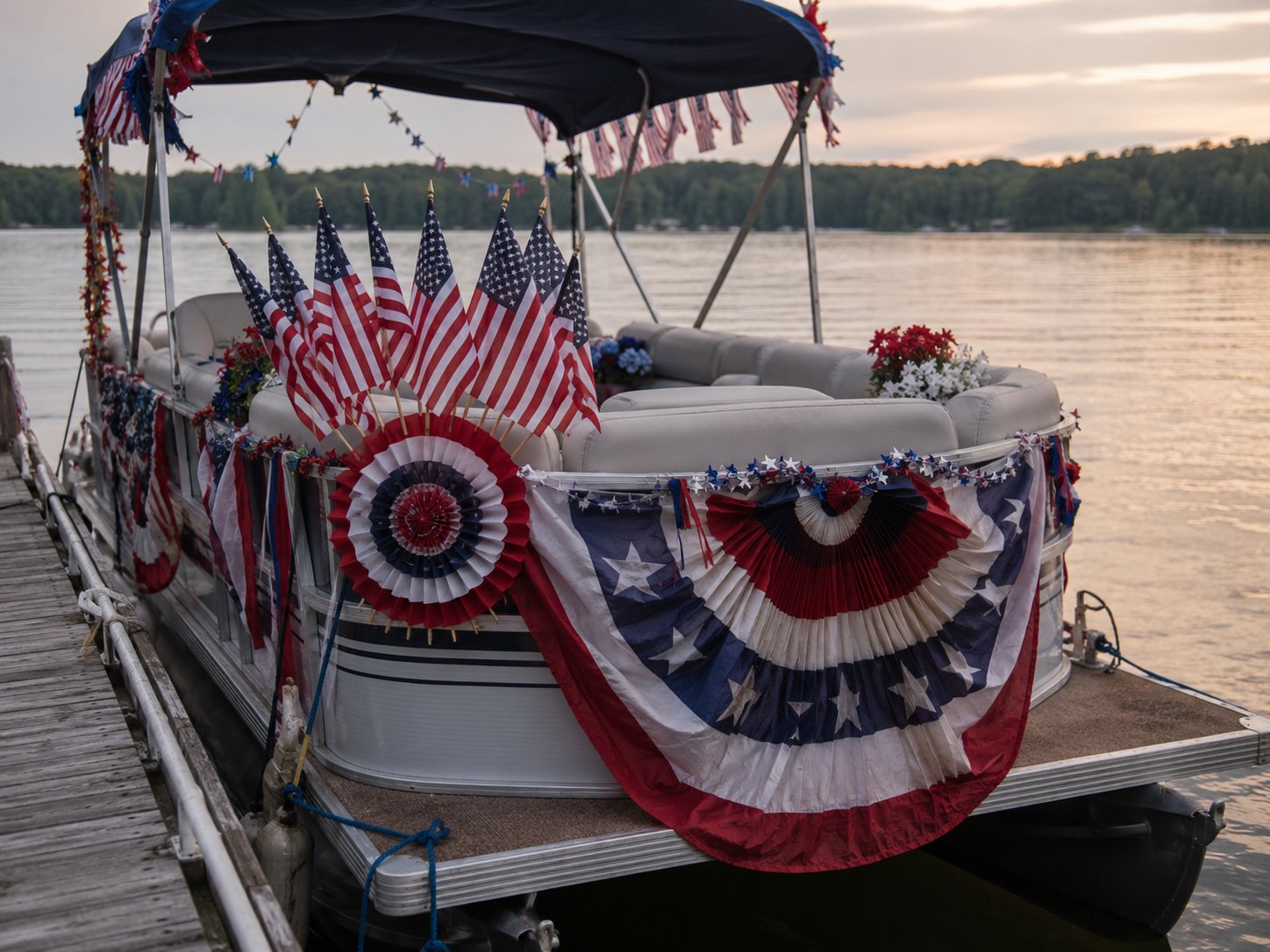
The first official Misquah Fourth of July Boat Parade launched from the Loon Lake public landing at noon, some two dozen craft strong, and made a slow no-wake lap of Big Pelican before the evening’s fireworks — a far more orderly affair than the “willy-nilly conga line,” as one longtime participant fondly called its predecessor, that the town has staged by happy accident every summer for decades.
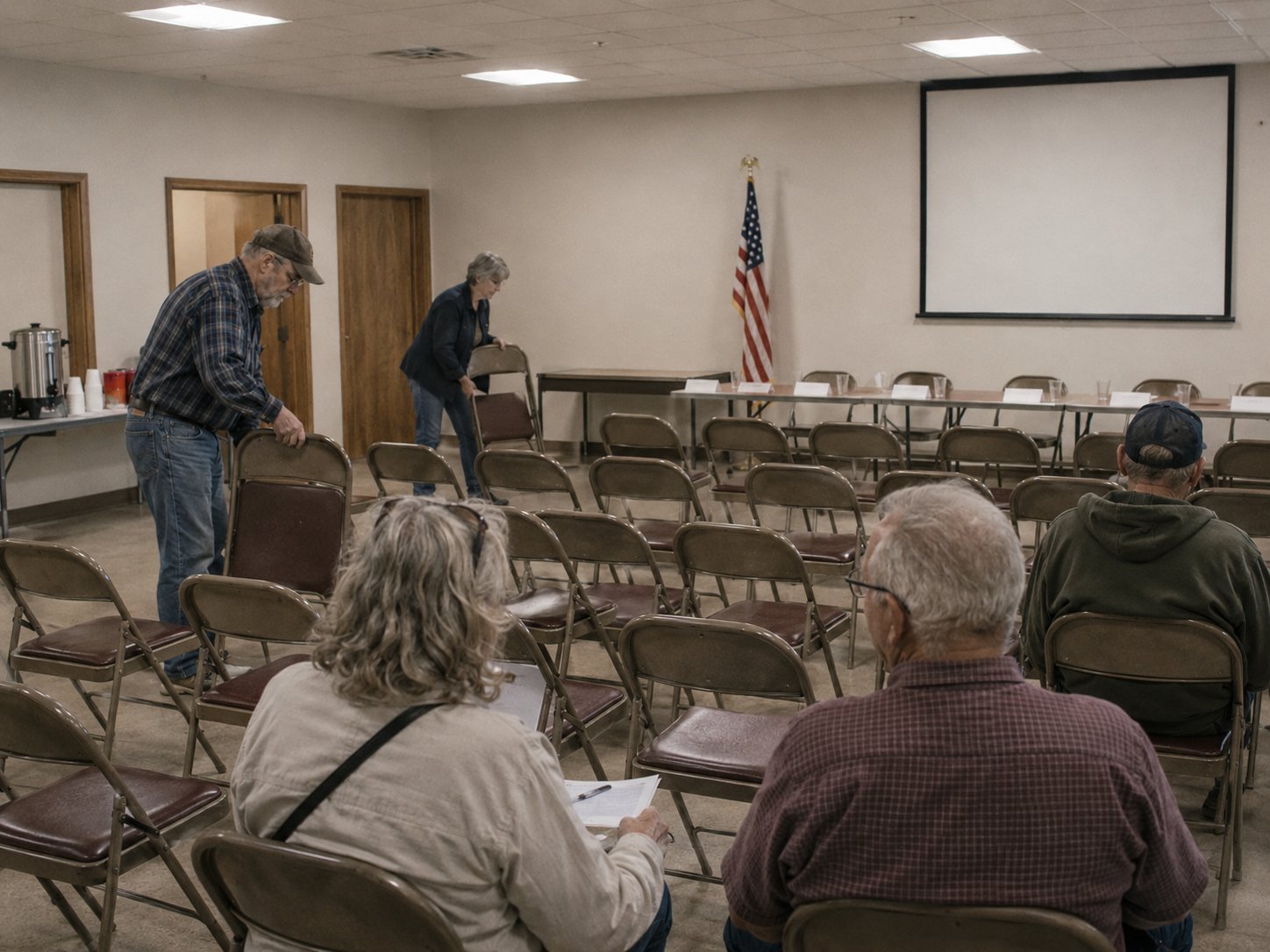
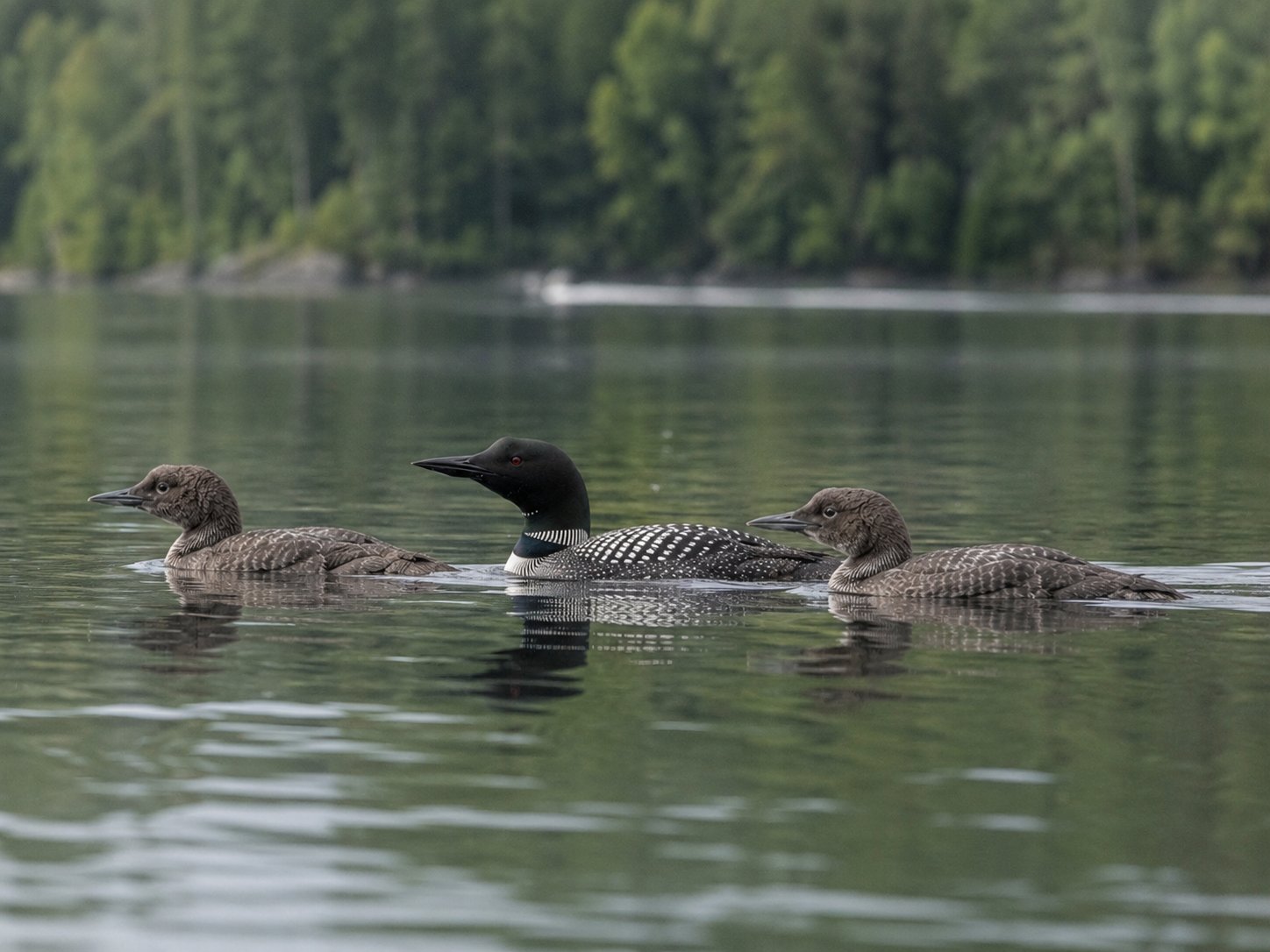
The formalization was the work of a committee convened last December in the First Lutheran basement, and it arrived with the full apparatus of formality: a lineup time (11:30), a designated lead boat, a no-wake rule enforced more by the loons than by anyone official, and — the detail that generated the most basement debate — a grand marshal, a role filled this year by Alderman Lloyd Bunde, the town’s recognized authority on the proper way to wave from a boat.