Lakes & Outdoors
Loon Pair Claims Buoy, Ignores Resort Brochure
A pair on Big Pelican reminds boaters that signs are for people.
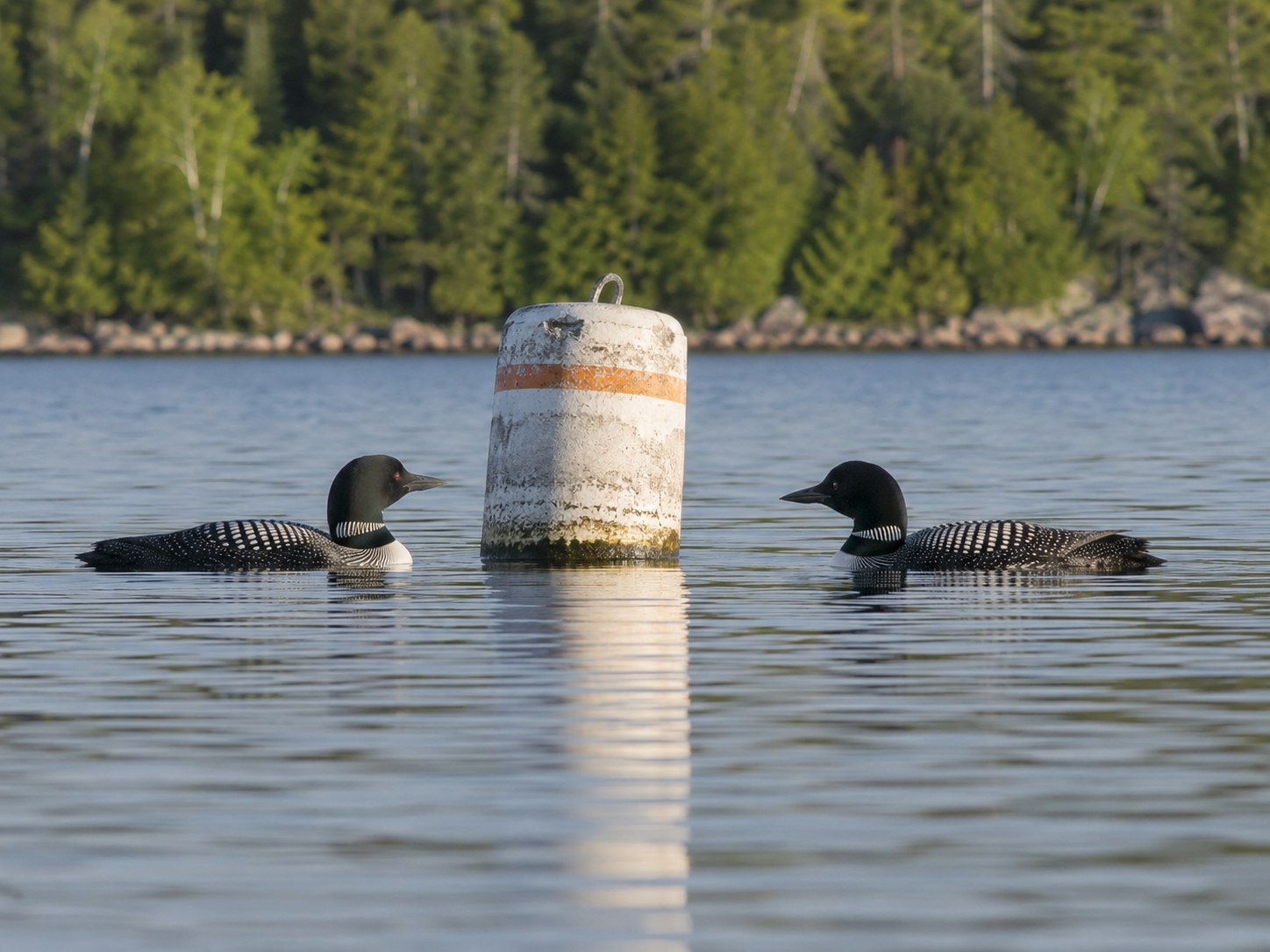
ON THE CHAIN — A pair on Big Pelican reminds boaters that signs are for people. Around Misquah, outdoor news is rarely just outdoor news; it is weather, memory, habit, and somebody’s uncle saying the old way was better.
Conditions varied from lake to lake. Big Pelican carried the most traffic, Whitefish the most speculation, Sandy the most weeds, Bass the clearest water, Loon the prettiest reflections, and Mud Lake its usual determination not to be overpraised.
Tim Brevik said the week’s pattern rewarded patience and punished certainty. He advised anglers to watch the wind, respect the loons, and be suspicious of anyone who gives a location without first looking around the room.
The Chain is settling into summer now: dock lines creaking, boats appearing at dusk, coffee cooling on tailgates, and stories beginning their long seasonal work of becoming better than the fish that caused them.
The report fits the larger pattern on the Chain this spring: cold mornings, soft afternoons, and a lake system waking unevenly from one bay to the next. Big Pelican has been first to draw traffic, Whitefish first to produce theories, and Mud Lake first to remind everyone that not all water wishes to be popular.
The Lake Association asks boaters to watch for loons, slow near channels, and use the landings as landings rather than places to hold reunions. Tim Brevik added one more rule from behind the bait counter: if a person has to say “I’ll only be a minute” at the ramp, that person will not be a minute.
By late week, the story had already changed in the usual way. The weather was a little colder, the fish a little larger, and every decision that had seemed questionable at the time was now being described as strategy.