Our View · Editorial
Our View: What the Room Got Right
We declined last week to tell the town what to think about the pasture. This week we get to report what the town did instead, which was better than thinking. It listened.
Last week this newspaper declined, at some length, to tell the town what to conclude about eighteen lots on the Hagen pasture. We asked only two things of the people going into that room: listen to the ones you came to disagree with, and remember you’d all be neighbors on Wednesday. We are pleased to file the following report: the town did both, and did them well, and we are going to spend this column saying so, because a town should occasionally hear it when it behaves like one.
Forty people took the microphone Tuesday night. Not one of them was booed, interrupted, or sighed at above the statutory limit. Speakers on both sides were heard saying “that’s fair” about points they had come to oppose — an expression which, deployed honestly, is worth more to a town than any resolution a board can pass. Several people stood up certain and sat down less so. In most rooms in this country, in this year, that is called losing. In that room it looked like what it is, which is thinking.
We note also the quieter contributions. The clerk, who fetched chairs and kept the count. The chairman, who let silences sit until people filled them with their real reasons. The recused alderman in the back row, who understood that some things are said best from a folding chair with your hands in your lap. And the coffee urn, which gave its all.
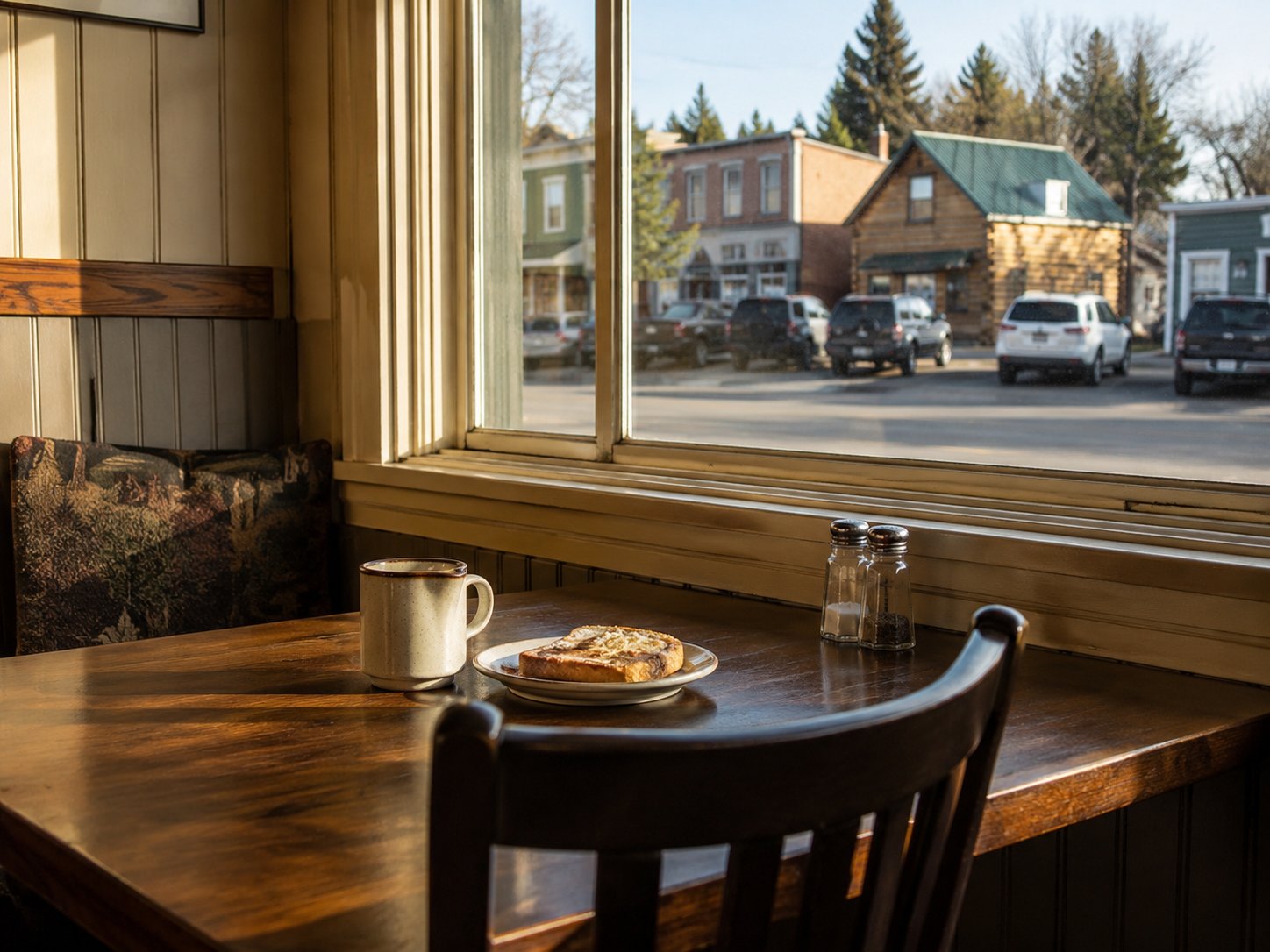
And then Wednesday came, and the Daybreak filled at its usual hour with its usual tables, and the arguments of Tuesday night sat down together and ordered the usual. This is the test we proposed, and the town passed it before the toast arrived.
The board now has the hard part, and it should take the full time it claimed. Whatever it recommends in late August, somebody’s honest hopes will take the loss, and the rest of us will owe that somebody the same listening we managed Tuesday. But the harder question — whether this town could look at its own future across a microphone and remain itself — has been answered, and the answer held up under a full house. The pasture is still the board’s problem. The town, we are glad to report, is not anybody’s problem at all.